Understanding Revision
Why Does a Breast Lift Lose Its Shape Over Time?
A lift doesn't stop the forces that caused sagging in the first place. Here's why shape can change, and what's actually preventable.
Read articleSpecialist revision breast lift surgery with Assoc. Prof. Dr. Ayhan Işık Erdal — correcting recurrent sagging, bottoming out, lost fullness, scars and asymmetry after a previous lift, with honest expectations.
A revision (or secondary) breast lift corrects a previous mastopexy that has lost its shape, healed with poor scars, or left you with asymmetry. It's more than repeating the first operation — it re-diagnoses why the result changed and rebuilds shape and support to last.
Because a revision works through scar tissue and must protect the blood supply created in your first lift, it's more demanding than a primary lift — and best done by a surgeon who does this kind of work regularly.
Recognise the problem, and there's usually a logical way to correct it. These are the most common reasons people seek a revision.
The breast has descended again after a previous lift — the nipple sits lower and the tissue has relaxed. A revision re-establishes a higher, better-supported shape.
Tissue has dropped below the breast crease, the lower pole looks long, and the nipple points upward. Corrected by rebuilding lower-pole support and raising the fold.
The breast looks emptied at the top and heavy at the bottom. Fullness is restored using your own tissue (auto-augmentation) or, where appropriate, an implant.
Lift scars that healed wide, thick or dark. A revision can re-excise and re-close them under less tension for a finer line, alongside scar care.
A noticeable difference in size, shape or nipple position between the two breasts. Each side is assessed and adjusted individually to improve balance.
For those who had implants with a lift — malposition, rippling, capsular problems or a wish to change size. Addressed by exchange, revision or removal with a lift.
Matched to the cause — from reshaping your own tissue and internal support to implant work and scar revision.
The breast tissue is reshaped and repositioned to a higher, rounder form, with excess relaxed skin removed — going beyond a skin-only tightening to support the tissue itself.
Your own descended lower-pole tissue is repositioned to rebuild upper-pole fullness — adding shape without an implant and without extra weight.
A supportive mesh or your own reinforced tissue acts as an 'internal bra', offloading tension from the skin to help the correction last longer.
Where appropriate, an implant is added for fullness, exchanged for a different size or type, or removed — always balanced against long-term shape.
Rebuilding support in the lower breast and raising or reinforcing the crease — the core correction for bottoming out.
Repositioning the nipple to a natural height and resizing a stretched areola for balance and symmetry.
Revision patients have already shown their tissues can stretch. Adding internal support — a bioabsorbable mesh or your own reinforced tissue — offloads tension from the skin to help the correction last longer.
An honest tool, not a permanent guarantee — its value depends on your case.
The problem being corrected — tissue stretching and dropping — is driven partly by weight and skin quality. A good revision addresses that at the source: reshaping the breast tissue into a stronger structure, using your own descended tissue to rebuild upper fullness, and where useful adding internal support.
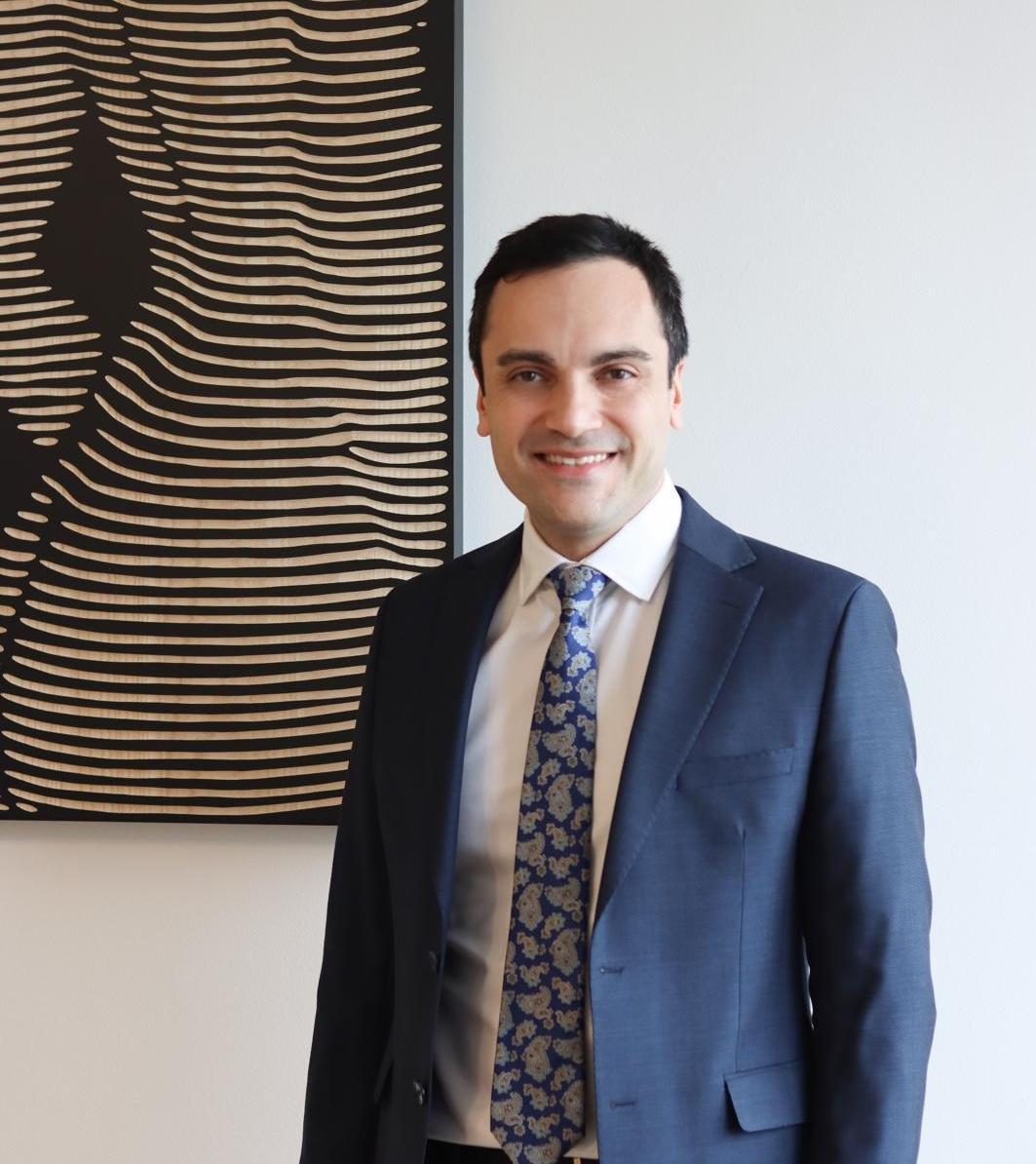
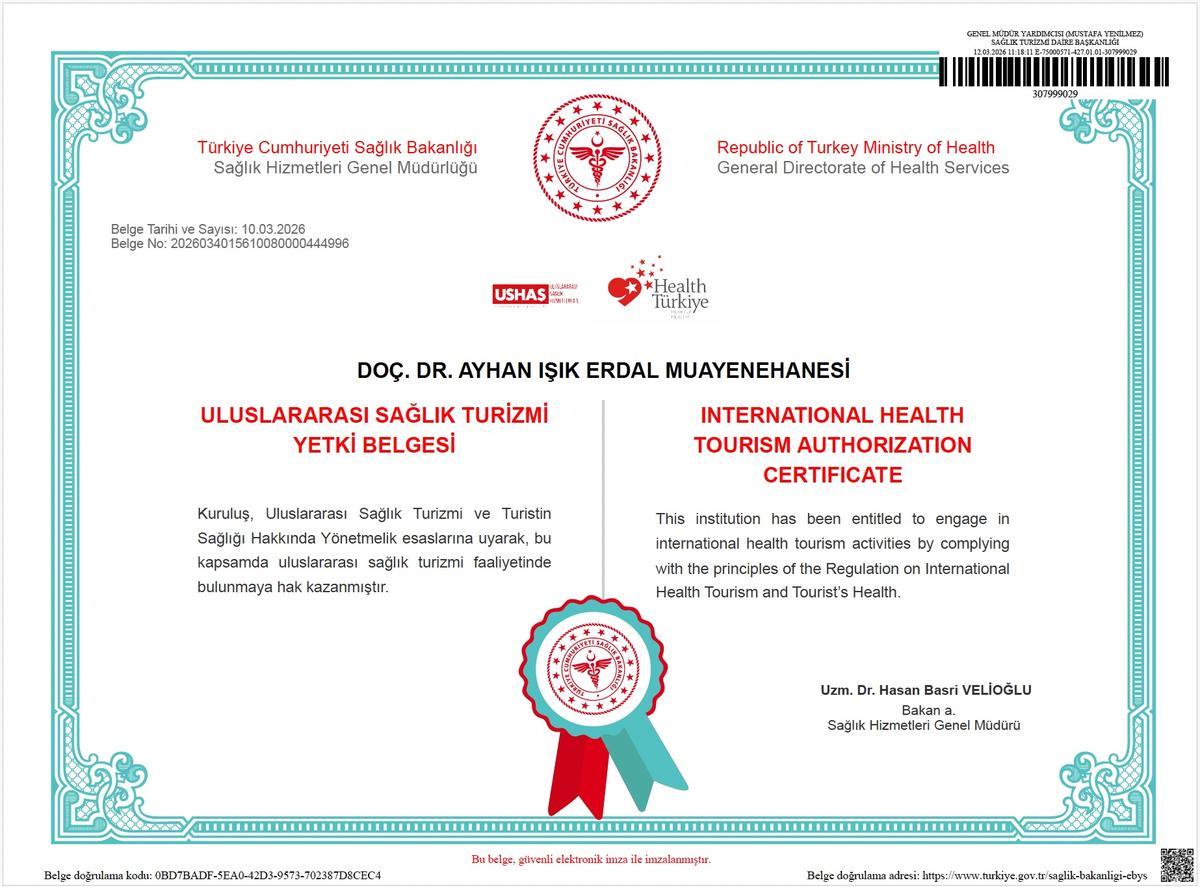
A double board-certified plastic & reconstructive surgeon who takes on the harder cases — restoring shape, support and symmetry after a previous breast lift.
Most patients start with WhatsApp photos and an honest opinion — no pressure, no obligation.
Send photos and your history over WhatsApp. Dr. Erdal reviews what happened with your first lift and tells you honestly what a revision can realistically achieve.
You receive a tailored plan — the techniques matched to why your result changed — with an all-inclusive quote and no obligation.
In Istanbul you're examined in person, your previous surgery assessed, and the plan confirmed with every question answered before scheduling.
Revision breast lift is performed in an accredited hospital, protecting the existing blood supply to the nipple and rebuilding support as planned.
You recover comfortably nearby in supportive garments, with clear aftercare and the team on call throughout your stay.
After you return home, Dr. Erdal stays reachable to follow your healing and guide you as the result matures over the following months.
Recovery is broadly similar to a first lift, but revision work has its own considerations — protecting a more delicate blood supply and any internal support. The demanding part is the first weeks; the final shape and scars mature over months.
Expect swelling, bruising and tightness; the breasts sit high and firm at first — this is normal. You'll wear a supportive surgical bra to protect the repair, take prescribed pain relief, and keep arm movement gentle.
Swelling steadily settles and the breasts soften. Light daily activity resumes early, but strenuous exercise, heavy lifting and chest work are avoided (typically ~4–6 weeks) to protect the repair and any internal support. Scar care begins once healed.
The breasts continue to settle, upper fullness redistributes, and scars flatten and fade. Supportive garments are worn as advised. You'll feel increasingly like yourself.
This is when the true result is judged — shape matured, scars settled. As with any breast surgery, patience through this window is part of the outcome.
Most of Dr. Erdal's revision patients travel from the UK, Ireland, the United States, Canada, Germany and the Nordic countries — often after long waiting lists or high quotes at home. Istanbul has direct flights from most major cities, English-speaking care throughout, and a stay of usually just 5–7 days.
Travel time, entry rules, what to bring, and how follow-up works when you're back home — everything international patients ask, answered honestly in one guide.
United Kingdom · Ireland · United States · Canada · Germany · Denmark · Sweden · Norway · Finland
Honest, practical answers to what patients ask most.
A lift doesn't stop the forces that caused sagging in the first place. Here's why shape can change, and what's actually preventable.
Read articleWhen breast tissue slips below the crease and the nipple points upward, that's bottoming out — and it's one of the most correctable revision problems.
Read articleA revision isn't simply 'the same operation again'. Scarred tissue, blood-supply considerations and higher complexity all change the picture.
Read articleYes. A revision works through scar tissue and must protect the blood supply to the nipple that was created in your first operation, so it is more complex and demands a surgeon experienced in secondary breast surgery. The rewards can be significant, but the procedure is more demanding, not less.
For shape and scar concerns, it's usually best to wait until the first result has fully matured — often around 12 months — and until your weight and any pregnancy plans are stable. Clear complications, such as a healing problem, may be assessed sooner.
Yes — bottoming out is one of the more correctable revision problems. It's corrected by rebuilding lower-pole support, raising or reinforcing the breast crease, reshaping the lower pole and repositioning the nipple, often with internal support to help the correction last.
Lost upper-pole fullness can be restored either by repositioning your own tissue (auto-augmentation) or by adding an implant. Each has trade-offs — an implant adds weight that can work against durability — so the right choice depends on your tissue and goals.
It's internal support — a bioabsorbable mesh or your own reinforced tissue — placed inside the breast to offload tension from the skin and help a revision result hold its shape. It can improve durability but is not a permanent guarantee against future stretching.
Often yes. A revision can re-excise widened or thick scars and re-close them under less tension — frequently possible because the revision also re-supports the breast, taking load off the skin. Scars can be made finer, but never erased completely.
Share photos of your breasts and a little about your first lift. Dr. Erdal will personally tell you what a revision can realistically achieve, and outline a tailored plan and all-inclusive quote — with no obligation.